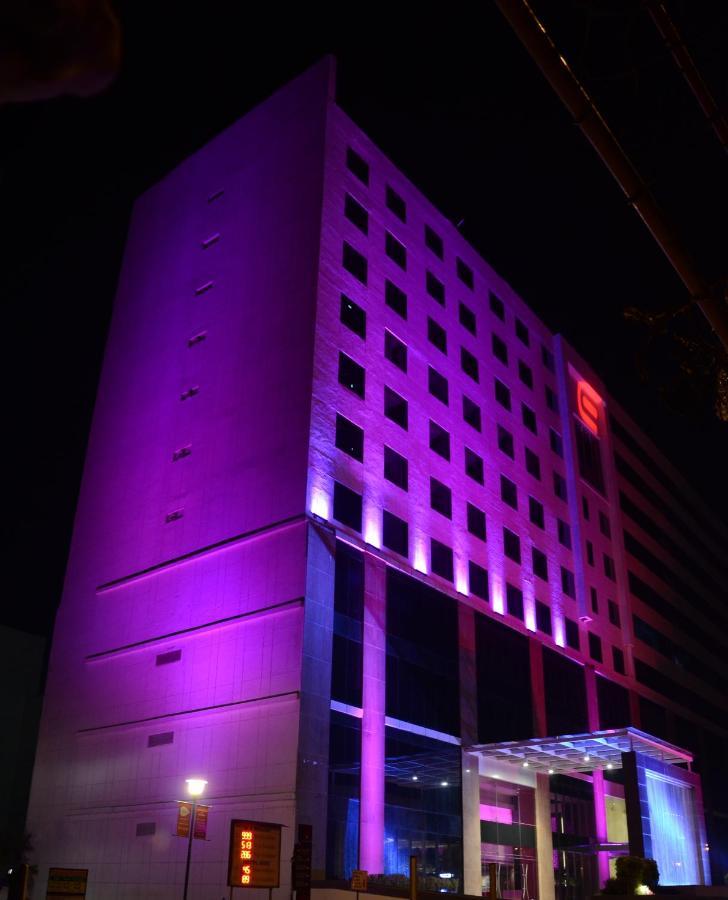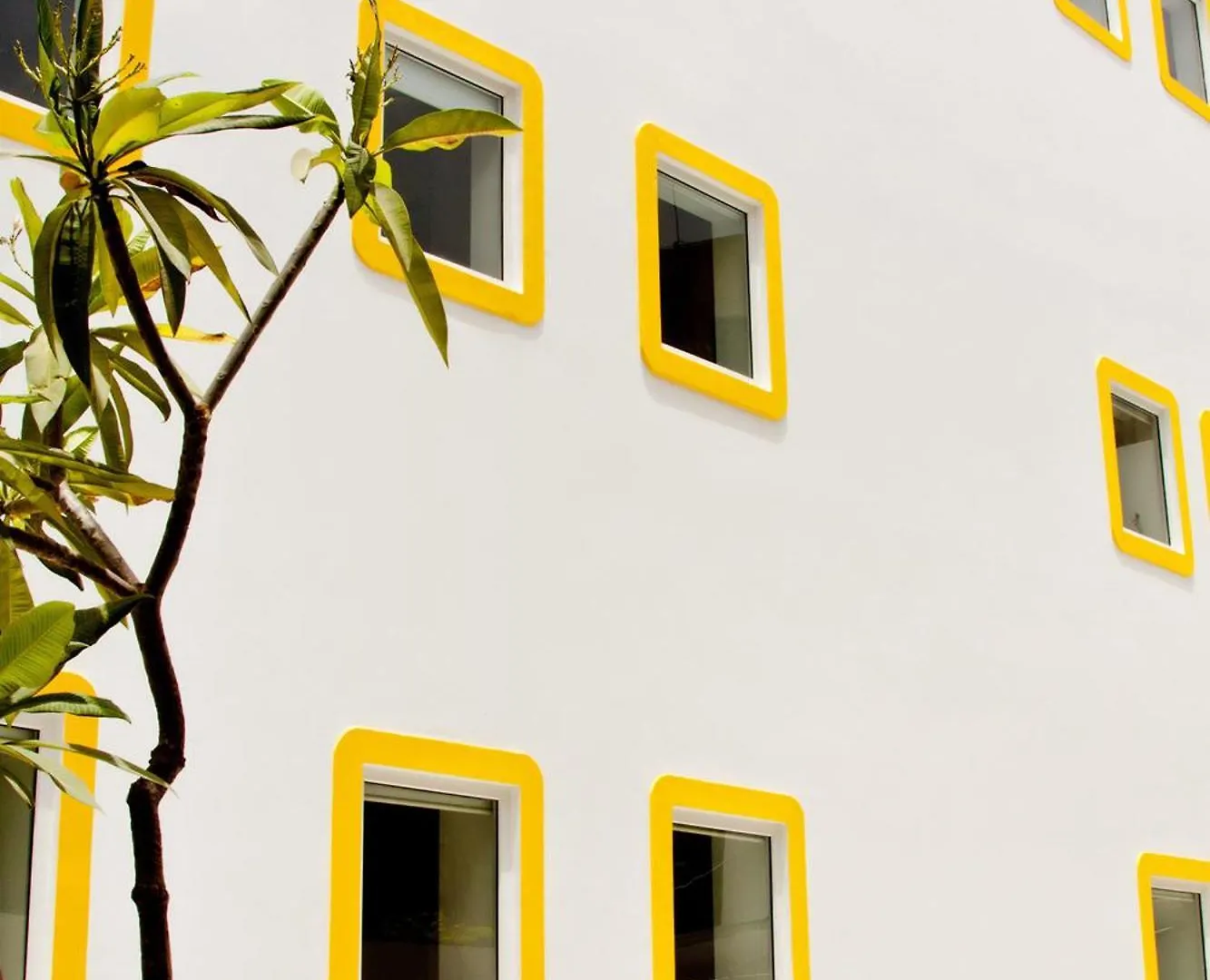
South Delhi is one of the most architecturally layered and logistically useful parts of New Delhi, sitting between monuments like Humayun's Tomb and Lodi Gardens, and well-connected metro corridors. Boutique hotels here tend to occupy quieter residential neighbourhoods rather than chaotic commercial strips, offering a noticeably different experience from the hotel clusters near Connaught Place or Paharganj. This guide compares 4 boutique hotels in South Delhi to help you decide where to book based on location, connectivity, and what each property genuinely delivers.
What It's Like Staying In South Delhi
South Delhi operates at a different pace from the historic city centre - tree-lined streets in areas like Panchshila Park, Kailash Colony, and Jangpura replace the density of Old Delhi, but you are still within striking distance of major heritage sites and business hubs. Most boutique hotels here sit in semi-residential pockets, which means lower street noise but occasional reliance on auto-rickshaws or ride-hailing apps to reach main attractions. Metro access is uneven across sub-areas - Jangpura connects directly via the Violet Line, while neighbourhoods like Panchshila Park require a short cab ride to the nearest station.
Pros:
- Quieter, residential surroundings compared to Central Delhi hotel zones
- Proximity to key landmarks including Humayun's Tomb, Lodi Gardens, and the Lotus Temple
- Strong coverage of ride-hailing services like Ola and Uber, keeping commutes manageable
Cons:
- Some sub-localities lack direct metro access, adding cab costs to daily movement
- Fewer late-night dining and entertainment options compared to Connaught Place or Hauz Khas
- Indira Gandhi International Airport is around 24 km away, making late arrivals or early departures logistically demanding without pre-arranged transport
Why Choose Boutique Hotels In South Delhi
Boutique hotels in South Delhi typically occupy converted residential properties or purpose-built low-rise structures, which translates into smaller inventories - usually under 30 rooms - and more attentive service than what large chain hotels deliver in the same price band. Rates in South Delhi boutique properties generally sit below equivalent design-led hotels in Aerocity or Connaught Place, while offering better spatial quality than budget guesthouses in Paharganj. The trade-off is that in-house amenities like full-service restaurants or spas may be scaled back, with cafés or compact dining rooms replacing large F&B setups.
Room sizes in South Delhi boutique hotels tend to run larger than central Delhi equivalents at similar price points, partly due to lower land cost in residential sub-areas. However, guests expecting resort-style facilities should note that pools are rare and fitness centres are compact. Free parking is commonly included, which matters for guests arriving by car or renting one locally.
Main advantages of boutique hotels in South Delhi:
- More personalised service and distinct interiors compared to standardised chain hotels
- Residential-zone positioning means lower ambient noise than market-area hotels
- Free parking and free Wi-Fi are standard inclusions across most properties in this category here
Main trade-offs in this specific zone:
- Limited on-site dining scope - most properties offer a café or small kitchen rather than a full restaurant
- Walking to major attractions is rarely feasible; transport is needed for most sightseeing
- Smaller properties may have limited availability during peak winter season, requiring earlier booking
Practical Booking & Area Strategy
For the strongest metro connectivity in South Delhi, properties near Jangpura - specifically along or close to Link Road - offer a 2-minute walk to Jangpura Metro Station on the Violet Line, connecting directly to Hazrat Nizamuddin, Central Secretariat, and Khan Market without changing lines. Kailash Colony on Line 6 (the Pink Line) provides access to Lajpat Nagar market and onward connections across East and South Delhi. Panchshila Park is a quieter sub-area with garden surroundings but requires a cab to the nearest metro station, making it better suited to guests with a private vehicle or those not planning heavy daily commuting.
South Delhi's primary draw for tourists includes Humayun's Tomb (a UNESCO World Heritage Site), the serene Lodi Garden for early morning walks, the Lotus Temple, and the bustling markets of Lajpat Nagar and Khan Market. Book at least 6 weeks ahead for stays between October and February, when Delhi's weather draws the highest visitor volumes and boutique room inventory in South Delhi sells out quickly. Last-minute bookings in summer months (April-June) carry less risk due to lower demand, though heat significantly limits outdoor activity.
Best Value Stays
These properties offer solid boutique character and useful location credentials at accessible price points, with metro proximity or landmark adjacency justifying the stay for most travellers.
-
1. Bloomrooms @ Link Road
Show on map


 Check-infrom 14:00 until 23:59Check-outuntil 11:00
Just a few rooms left at the best rate!
fromINR 5136
-
2. Home@F37 Kailash Colony Metro
Show on map


 Check-infrom 14:00 until 23:59Check-outuntil 11:00
Just a few rooms left at the best rate!
fromINR 5040
Best Premium Stays
These properties bring more defined boutique identities - distinctive architecture, rooftop features, or full-service dining - and suit guests who want a stronger sense of place alongside practical South Delhi positioning.
-
3. Treebo Tryst Amber
Show on map


 Check-infrom 13:00 until 23:59Check-outuntil 12:00
Hurry – almost gone at this price!
fromINR 9796
-
4. Udman Hotel Panchshila Park
Show on map


 Check-infrom 14:00 until 23:59Check-outuntil 11:00
Rooms filling fast – secure the best rate!
fromINR 4184
Smart Travel & Timing Advice for South Delhi
South Delhi's most comfortable and most visited season runs from October through February, when temperatures stay between 10°C and 25°C and outdoor activity around Lodi Garden, Humayun's Tomb, and the Lotus Temple is genuinely pleasant. This is also when boutique hotel room rates in South Delhi peak, and properties with under 20 rooms - which most boutique hotels here are - fill quickly, particularly around the Christmas and New Year window. Booking at least 6 weeks in advance during this period is a practical minimum, not a precaution.
March and early April represent a short shoulder window where weather remains reasonable and prices ease before the pre-summer spike in corporate travel. May through August brings extreme heat and reduced tourist footfall, which translates into lower rates and easier availability, though the heat makes walking between sites impractical. A stay of 3 nights covers the main South Delhi heritage circuit - Humayun's Tomb, Lodi Garden, the Lotus Temple, and Nizamuddin - without feeling rushed. Last-minute bookings work best in July and August but carry real risk of limited choice between October and February.